




- 84 Views
- 5 Min Read
- (0) Comment
Some places impress you the moment you arrive. Sikkim works differently.
You first notice the change in the road. The plains slowly disappear, the Teesta River accompanies you through the valley, and the hills begin to rise around every turn. By the time you approach Gangtok, the journey itself has already become part of your holiday.
Yet Sikkim is not a destination to plan casually. A beautiful place on the map may require an entire day of driving. Some mountain roads lead into protected areas where permits are compulsory. And weather can change what is possible, particularly in North and East Sikkim.
This Sikkim travel guide explains what to visit, when to travel, how to reach Sikkim and how to build an itinerary that works on the ground.
Alpenglow Tours & Travels
Why Sikkim Is Different from Other Himalayan Destinations
Sikkim offers remarkable variety within a relatively small geographical area. You can explore Buddhist monasteries, walk through Gangtok’s busy MG Marg, see alpine landscapes and visit historic mountain settlements on the same holiday.
But these experiences are spread across different altitudes and road circuits. A good itinerary is built around geography rather than a long checklist of attractions.
For first-time visitors, it helps to divide Sikkim into four travel regions.

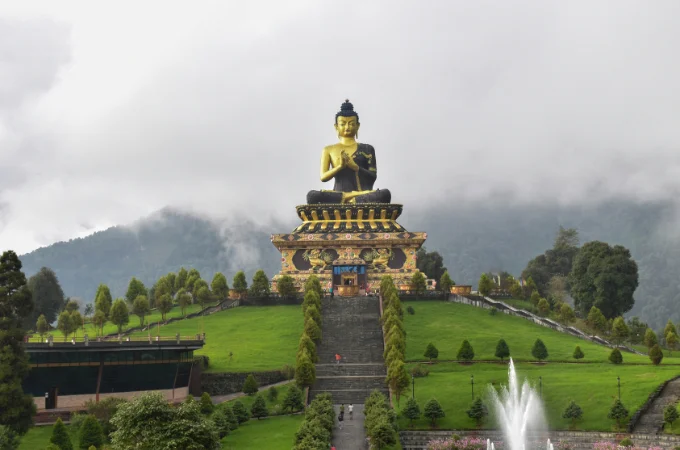
Gangtok: Where Most Journeys Begin
Gangtok is Sikkim’s capital and a practical base for travellers arriving from NJP Railway Station or Bagdogra Airport.
The city combines monasteries, viewpoints, shops, restaurants and access to the Tsomgo Lake circuit. MG Marg is particularly convenient for an evening walk after a long day on the road.
Spend enough time here to appreciate the city rather than using it solely as a transit stop.
Continue reading: Gangtok Destination Guide.
North Sikkim: Beyond the Familiar Mountain Roads
North Sikkim demands more time and preparation.
Lachung is the usual base for visiting Yumthang Valley, known for its broad mountain scenery and seasonal flowering landscapes.
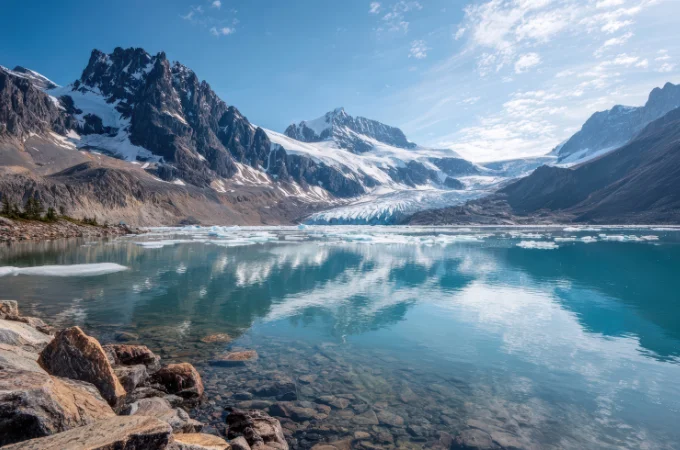
Lachen serves as a starting point for the excursion towards Gurudongmar Lake, an extremely high-altitude destination where access restrictions and health considerations are especially important.
Do not assume that every North Sikkim attraction can be visited throughout the year. Government permission, road conditions and traveller eligibility determine what is possible.
Pelling: The Quieter Side of Sikkim
Pelling offers a different pace.
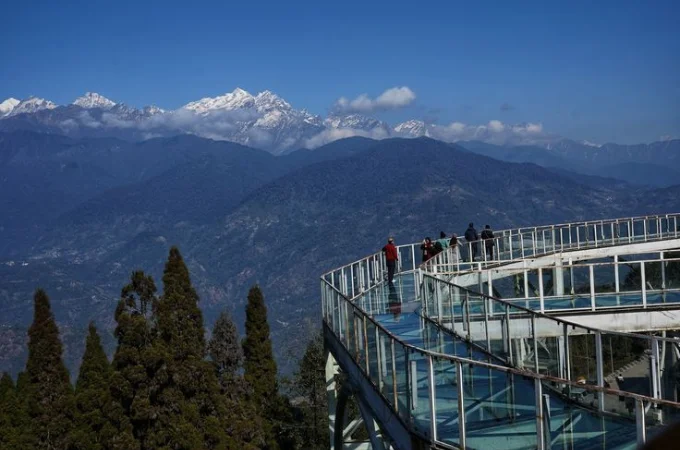
Here, the attraction is not simply the possibility of seeing Kanchenjunga. The surrounding area contains monasteries, heritage sites, forests, waterfalls and small mountain communities.
Pemayangtse Monastery and Rabdentse Ruins make Pelling particularly worthwhile for visitors interested in Sikkim’s history.
Two nights are useful for a standard Pelling visit, while additional time allows exploration of nearby West Sikkim.
Explore: Pelling Destination Guide.
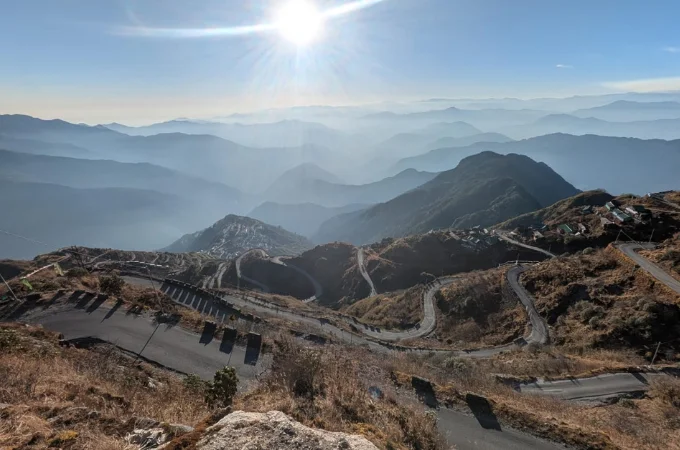
Zuluk and the Old Silk Route
The Old Silk Route is a journey defined by the road itself.
Its historic trade connections, winding bends and settlements such as Aritar, Padamchen and Zuluk make it very different from a conventional town-based holiday.
Higher sections towards Nathang Valley and Kupup require appropriate access permissions. Not all travellers are eligible for every restricted location.
Explore: Zuluk and the Old Silk Route.
What Is the Best Time to Visit Sikkim?
For most sightseeing journeys, two periods deserve attention.
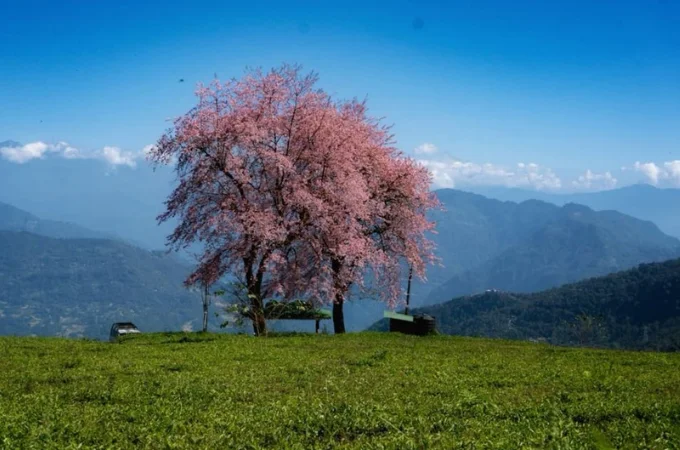
March to May: Spring conditions, flowering landscapes and generally comfortable sightseeing weather at many inhabited elevations.
October to mid-December: Often favourable for clearer Himalayan views, photography and mountain journeys.
Winter travel is possible, but snow can restrict high-altitude access. The monsoon brings lush scenery alongside an increased risk of road disruption.
Weather should influence your itinerary, not merely your clothing list.
How Many Days Should You Spend in Sikkim?
| Duration | Practical Travel Focus |
|---|---|
| 3N/4D | Gangtok and Tsomgo Lake–Baba Mandir |
| 4N/5D | Gangtok and a focused Lachung itinerary |
| 5N/6D | Gangtok–Pelling or selected North Sikkim circuits |
| 6N/7D | Gangtok and extended North Sikkim |
| 7N/8D or longer | Multiple Sikkim regions with additional travel time |
Avoid trying to cover Gangtok, Pelling, Lachung, Gurudongmar and Darjeeling in a short itinerary. The distances may appear manageable digitally, but the roads determine the actual pace.
How to Reach Sikkim
Two of the main arrival gateways are:
- New Jalpaiguri Railway Station (NJP) for rail passengers.
- Bagdogra Airport (IXB) for passengers arriving by air.
Gangtok is commonly reached by road from either gateway. The transfer often takes approximately four to five hours, but traffic, weather and roadwork can increase the journey time.
For families or travellers with substantial luggage, selecting an appropriately sized vehicle is important.
Understanding Sikkim Travel Permits
Indian tourists can generally travel through the state’s normally accessible tourism areas without the same permissions required for protected destinations.
However, visits to Tsomgo Lake, Nathula Pass and specified North and East Sikkim locations require destination-specific approval.
Foreign travellers face additional entry and protected-area conditions. The regulations are not identical for every destination.
Check the official Protected Area Permit guidance and, for foreign tourists, the Restricted Area Permit information before finalising restricted-area travel.
Four Mistakes to Avoid When Planning Sikkim
Planning too many places: A realistic five-day itinerary is better than an exhausting list of ten destinations.
Ignoring altitude: Gurudongmar Lake and Nathula are not equivalent to a normal day in Gangtok.
Assuming everything is included: Nathula, Zero Point, entry tickets and certain activities may be optional.
Not allowing travel buffers: Flights and trains should be scheduled with enough margin for mountain-road uncertainty.
In Sikkim, the quality of a journey depends as much on the route and timing as on the places you visit.
Frequently Asked Questions
Is Sikkim suitable for a first Himalayan holiday?
Yes. Gangtok, Pelling and selected sightseeing excursions make a practical starting itinerary.
How many days are ideal for Sikkim?
Five to seven days work well for a focused journey. Travelling across multiple regions may require longer.
Is Sikkim expensive?
Costs vary with hotel category, vehicle type, route, number of passengers and included services.
Can foreign tourists visit North Sikkim?
Eligible foreign tourists can visit specified permitted locations under the applicable regulations, but not every North Sikkim destination.
Plan Your Sikkim Journey with Alpenglow
Sikkim rewards travellers who give the mountains sufficient time.
Whether you prefer a scheduled group departure, a private family journey or a customised itinerary, begin with the destinations you genuinely want to visit and the number of days available.
Explore Alpenglow Private Journeys or Fixed Departures and request an itinerary with clearly defined accommodation, transport, permits, meals and sightseeing.